DALLAS, TX 2026, 7-Eleven is very popular. In fact, the 7-Eleven Store Support Center (corporate headquarters) is located there, so we’ve seen extensive upgrades to the brand image and product offerings in the past 5-6 years.
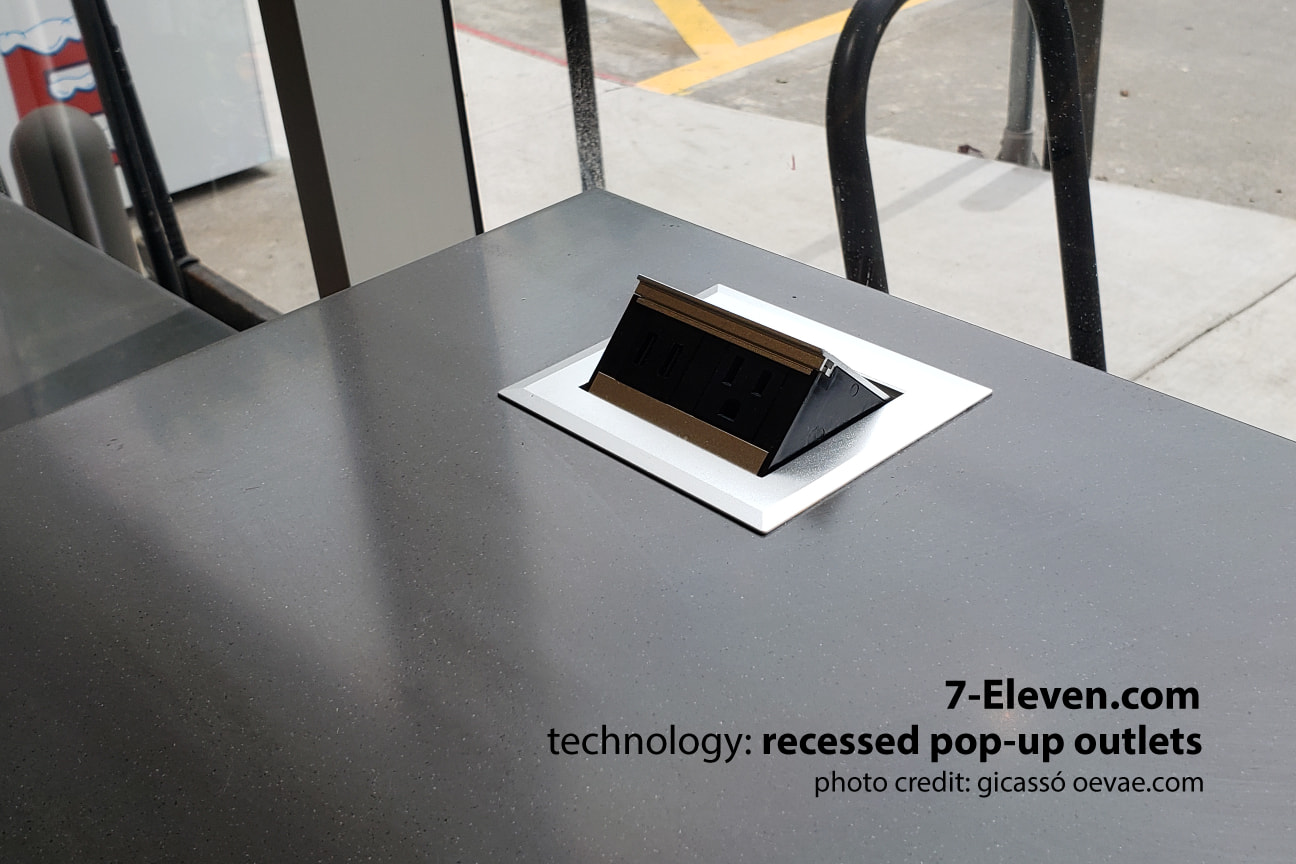
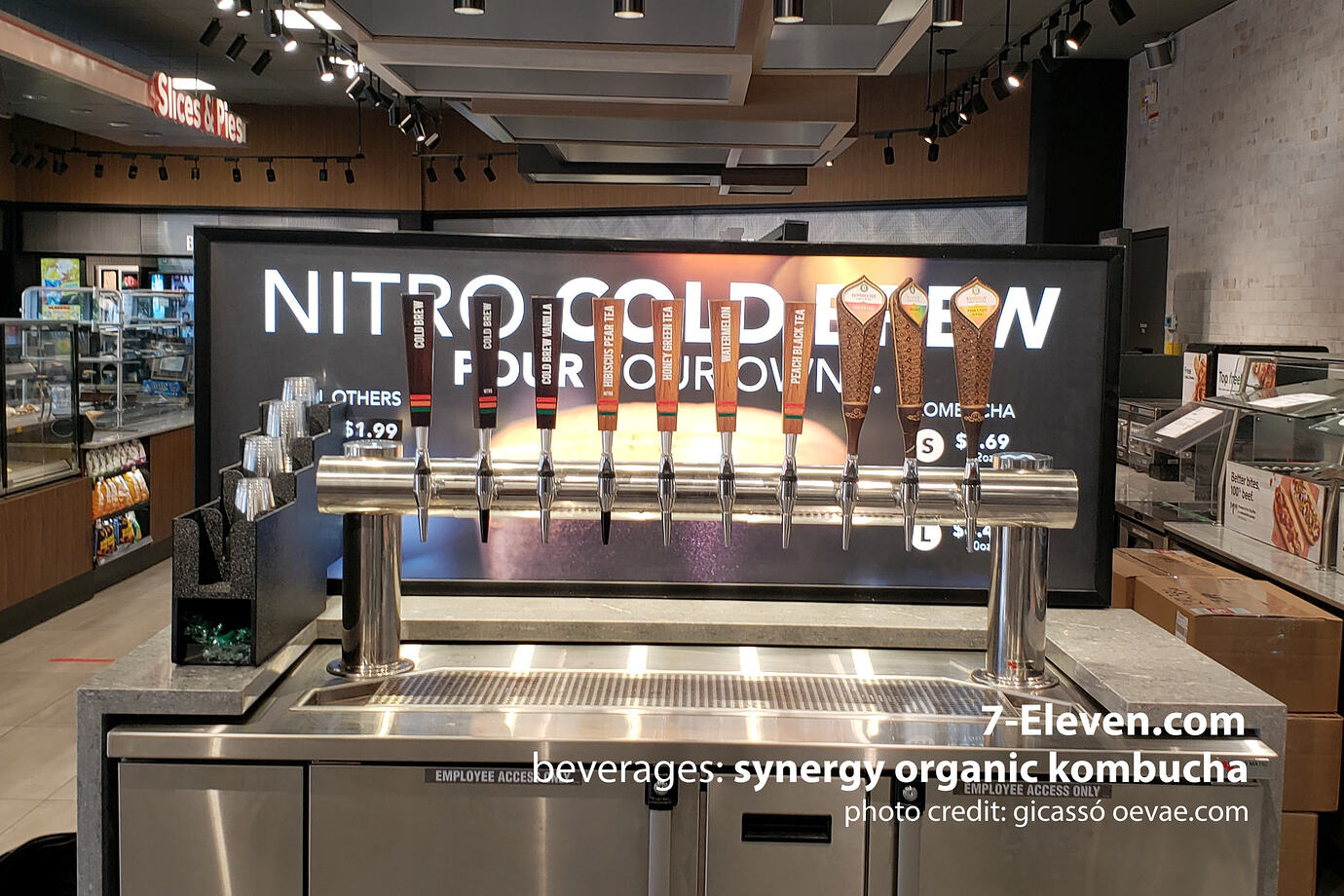
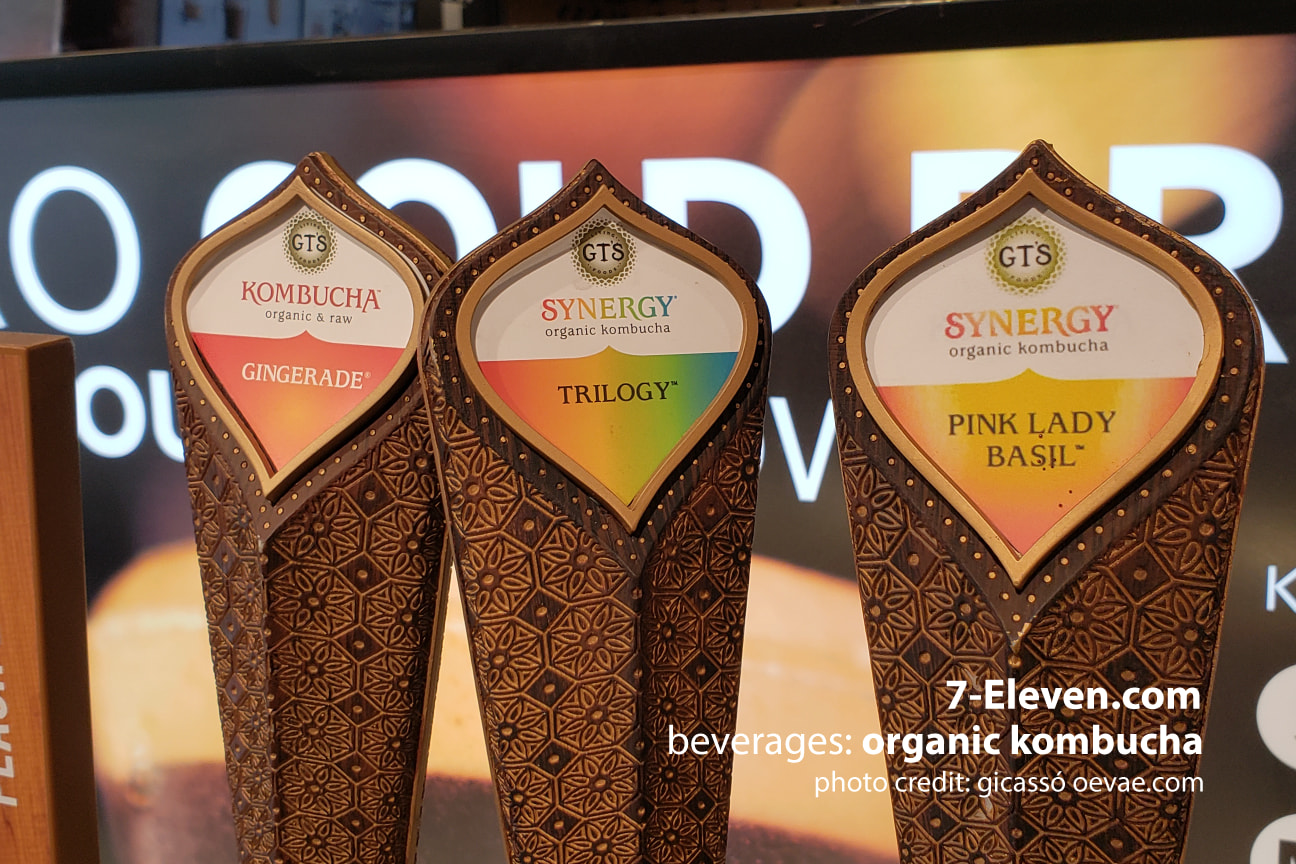
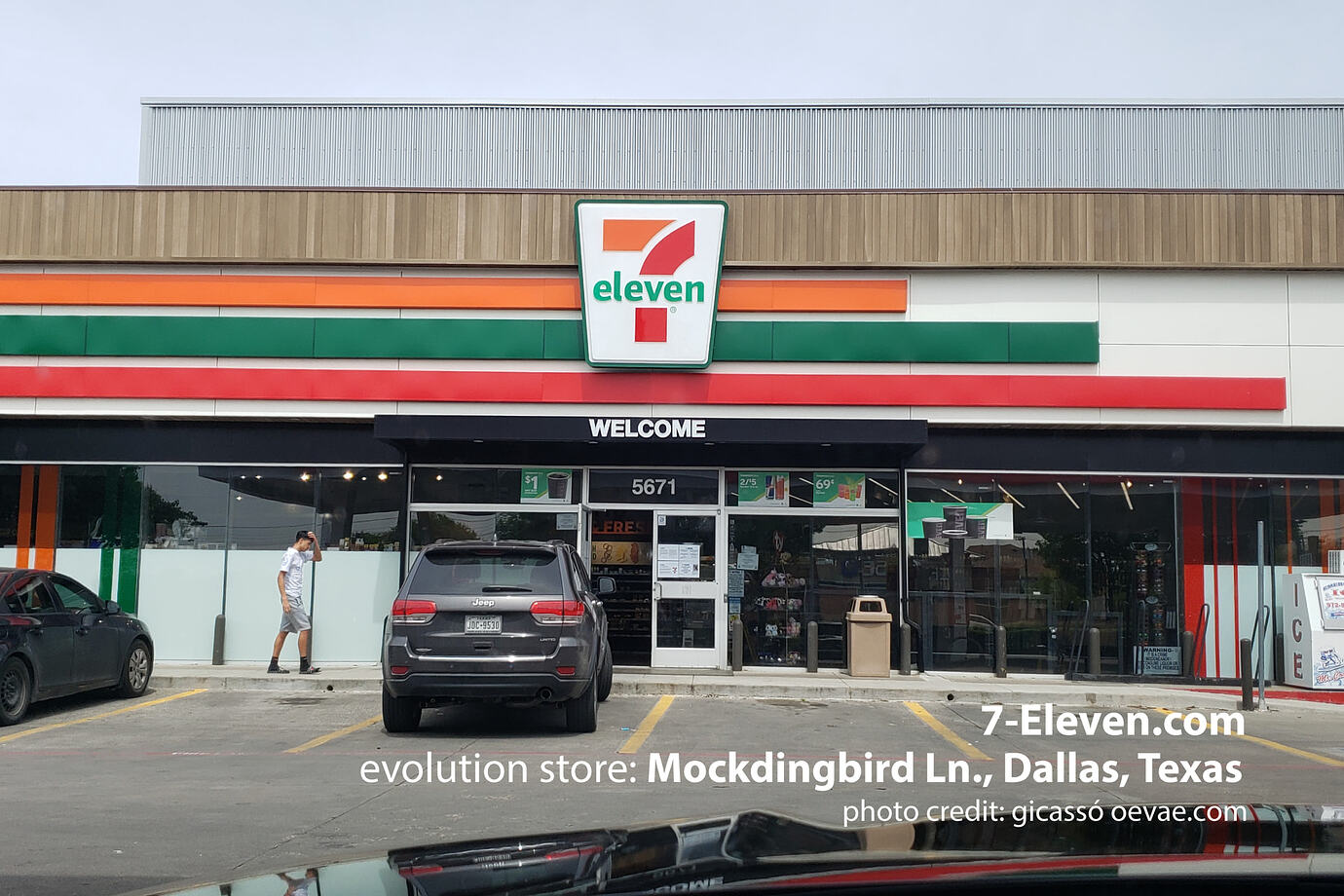
One of the Evolution Stores is a two-story 7-Eleven with a restaurant, a premium cigar humidor, and the latest digital innovations (recessed pop-up outlets); another has Kombucha on tap, and both have the 7-Eleven Evolution Store concept with Nichiha fiber cement wall panels, VintageWood designed to give the stores a “distinguished look” without the high maintenance of real wood.
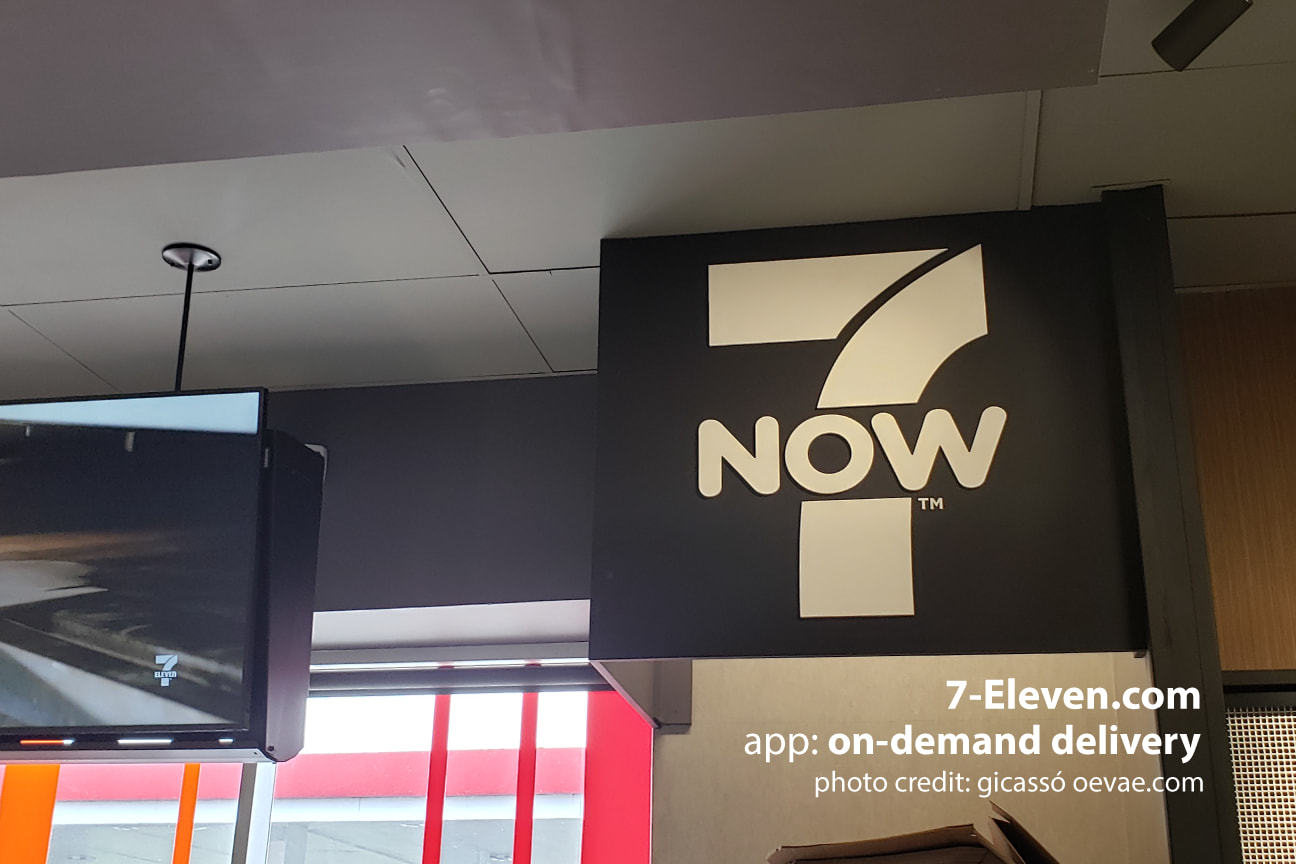
I’ve not tried 7NOW, “7-Eleven’s dedicated on-demand delivery app and service, which delivers food, alcohol, beverages, and groceries in about 30 minutes. The service operates 24/7, enabling customers to order over 3,000 items, including Slurpee drinks, pizza, and household products, directly to their door” (7-Eleven Corporate).
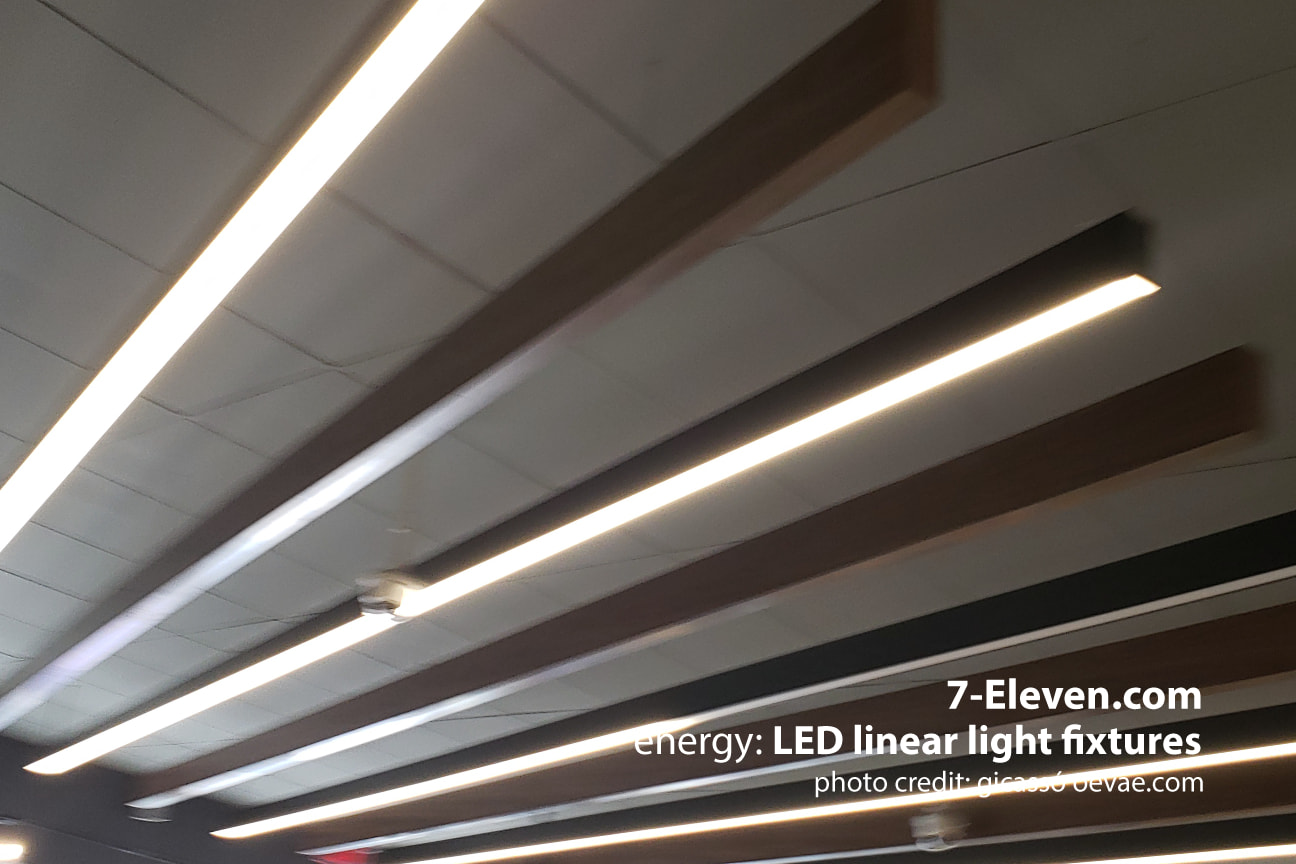
I really admire the LED tracks that project light downward efficiently, avoiding the need for bulbs that scatter light randomly – very calming, and no eye strain for customers like me. I read that 7-Eleven’s “Evolution” stores serve as a testing ground for their “Green Challenge 2050” initiative, which targets a 50% reduction in greenhouse gas emissions (CO2e) by 2030.
AUSTIN, TX 2026 Expanding on the new “Supergraphics” packaging design that drives recognition. The cool, yet bold, sweeping geometric stripes and flowing shapes popular on walls in the 1970s featured the famous Orange (#F4811F), Green (#008161), and Red (#EE2526), making up the “7” mocking the 7-Eleven logo.
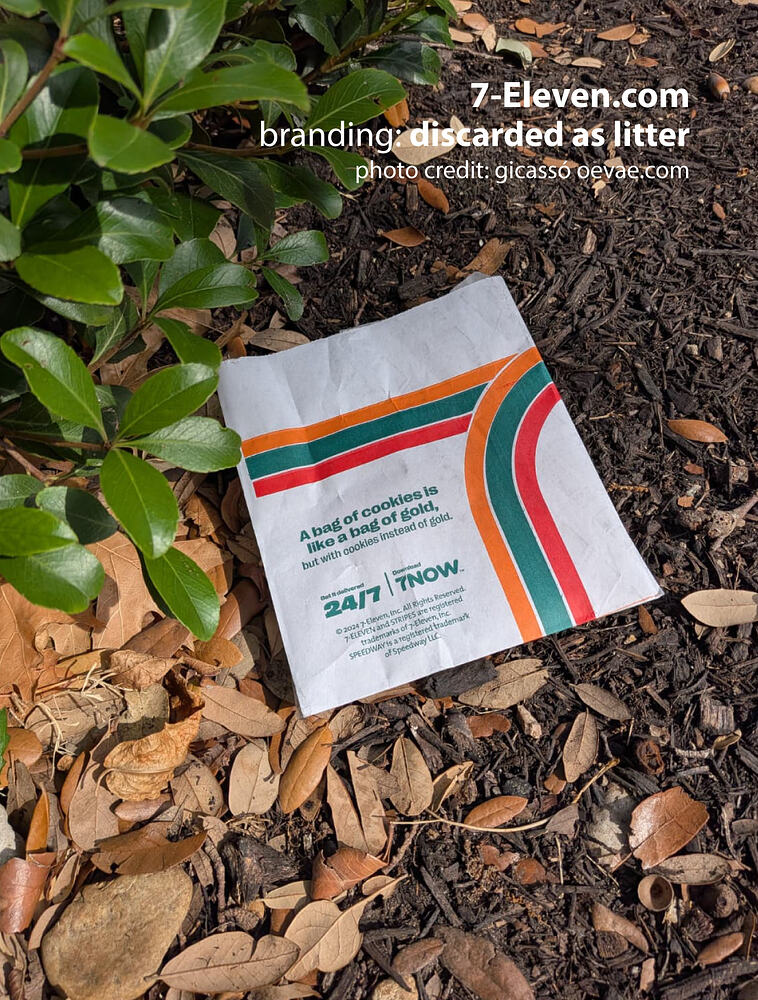
Fast-food and convenience-store packaging serves as highly effective mobile advertising. Especially when discarded as litter, the distinct 7NOW-branded cookie bag essentially functions as an unpaid, ubiquitous billboard, extending the brand’s visibility deep into neighborhoods, roadways, and waterways. Unless, of course, someone acts on personal waste management duties and discards it in the nearest trash or recycling receptacle.
I was surprised that the packaging did not have a QR code, although it does say “Get it delivered. Download 7NOW,” but doesn’t say “app.”
There was no mention of the packaging being made of recycled materials, nor a call-to-action for recycling the cookie bag.
Apparently, Speedway is a subsidiary of 7-Eleven, acquired the gas station and convenience store chain from Marathon Petroleum. The $21 billion acquisition integrated thousands of locations under the 7-Eleven corporate umbrella. Making 7-Eleven the largest convenience store chain in North America – Headquartered in Irving, Texas, the company operates, franchises, and licenses more than 12,000 stores across the continent, including 7-Eleven, Speedway, and Stripes.
AUSTIN, TX 1963, when an entrepreneurial 7-Eleven outpost owner in Austin, Texas, decided to try a 24/7 business model for its store. The concept took off, and all 7-Elevens became 24-hour operations, seven days a week.
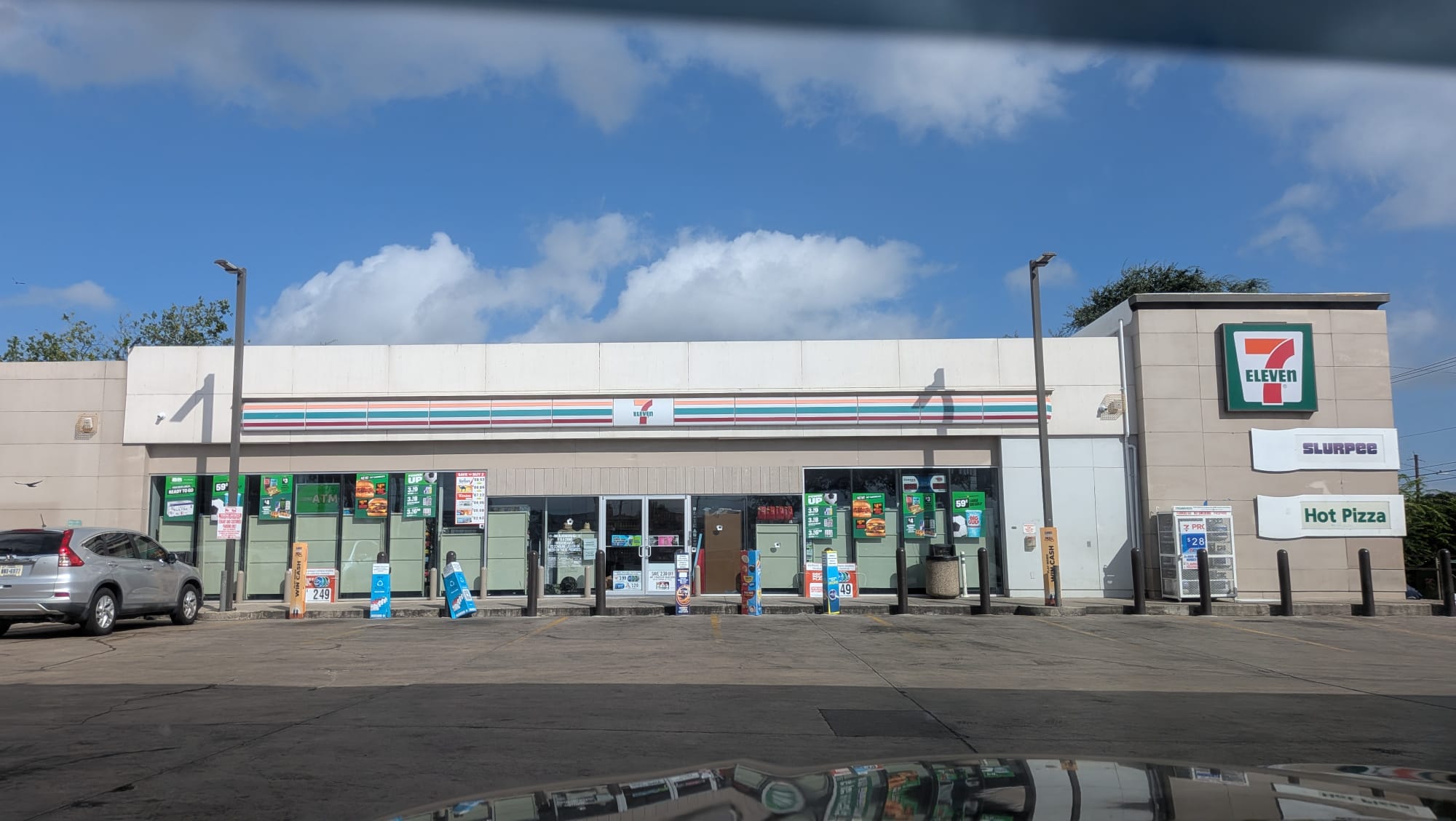
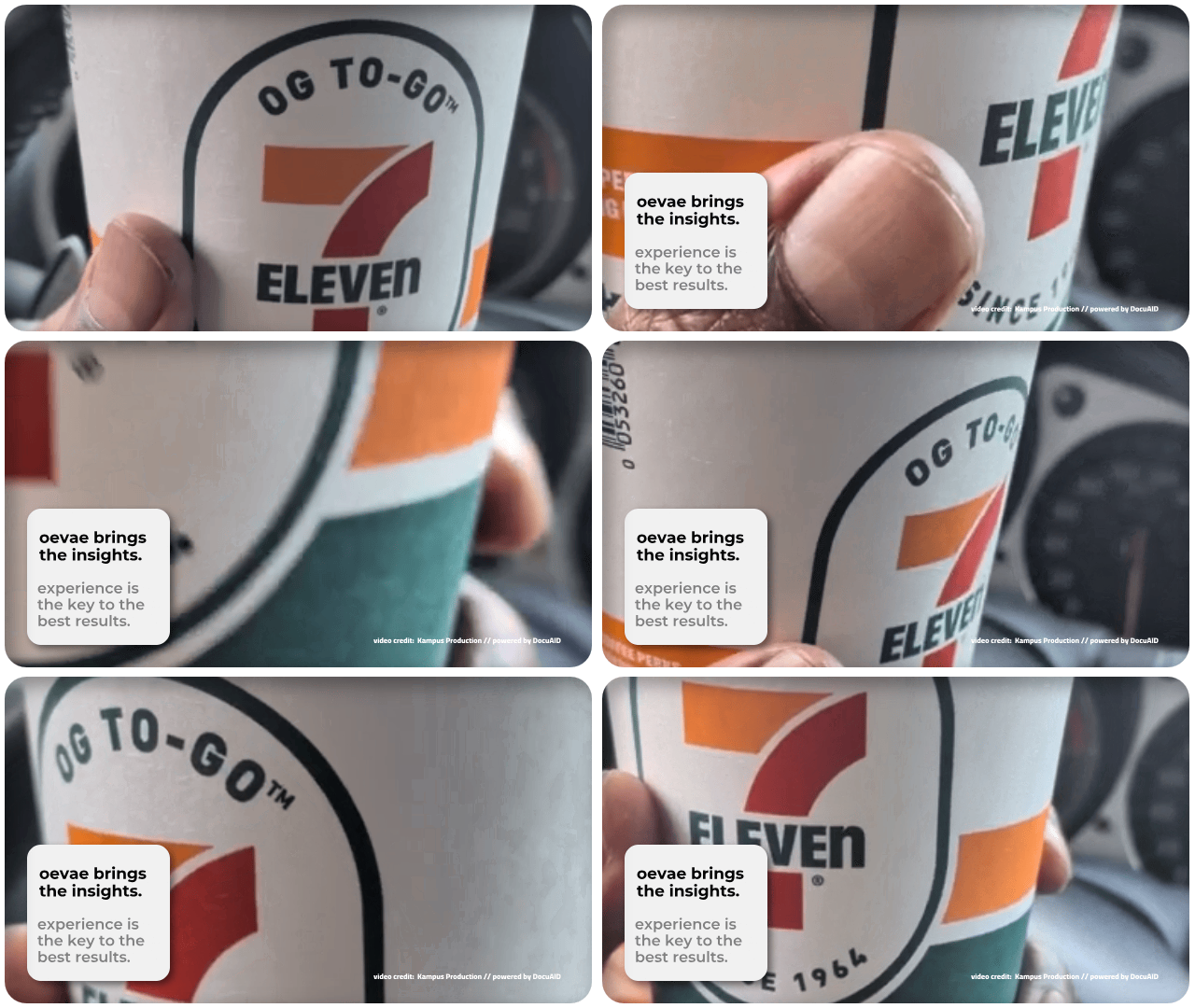
Dig a little deeper and you’ll find that the 7-Eleven OG TO-GO™ Since 1964 points to 7-Eleven’s Long Island, New York franchisee (exact name of the individual is not recognized in official corporate archives), who created the first to-go coffee – introducing the concept by selling fresh-brewed coffee by the cup in these stores, a decision that revolutionized the convenience and commuter coffee industry.
By contrast, the 7-Eleven “Evolution Stores” act as modern, experiential testing grounds that blend this classic heritage with premium, tech-forward, and specialized offerings.
The 7-Eleven heritage “to me” recalling meeting my friends to play one of the two pinball machines at a 7-Eleven in Aurora, Colorado. And, my current experience as an adult. Today, it’s a coffee, then it was a Slurpee or a “Suicide” (1970s - A mixture of all the fountain drinks in one cup), currently named “Dirty Soda”.
We’re a long way away from the glass coffee pots with the sizzling water underneath, and from drinking the last cup from a pot that’s been “cooked” to the point of what now looks like bad motor oil, aka “less favorable experience.”
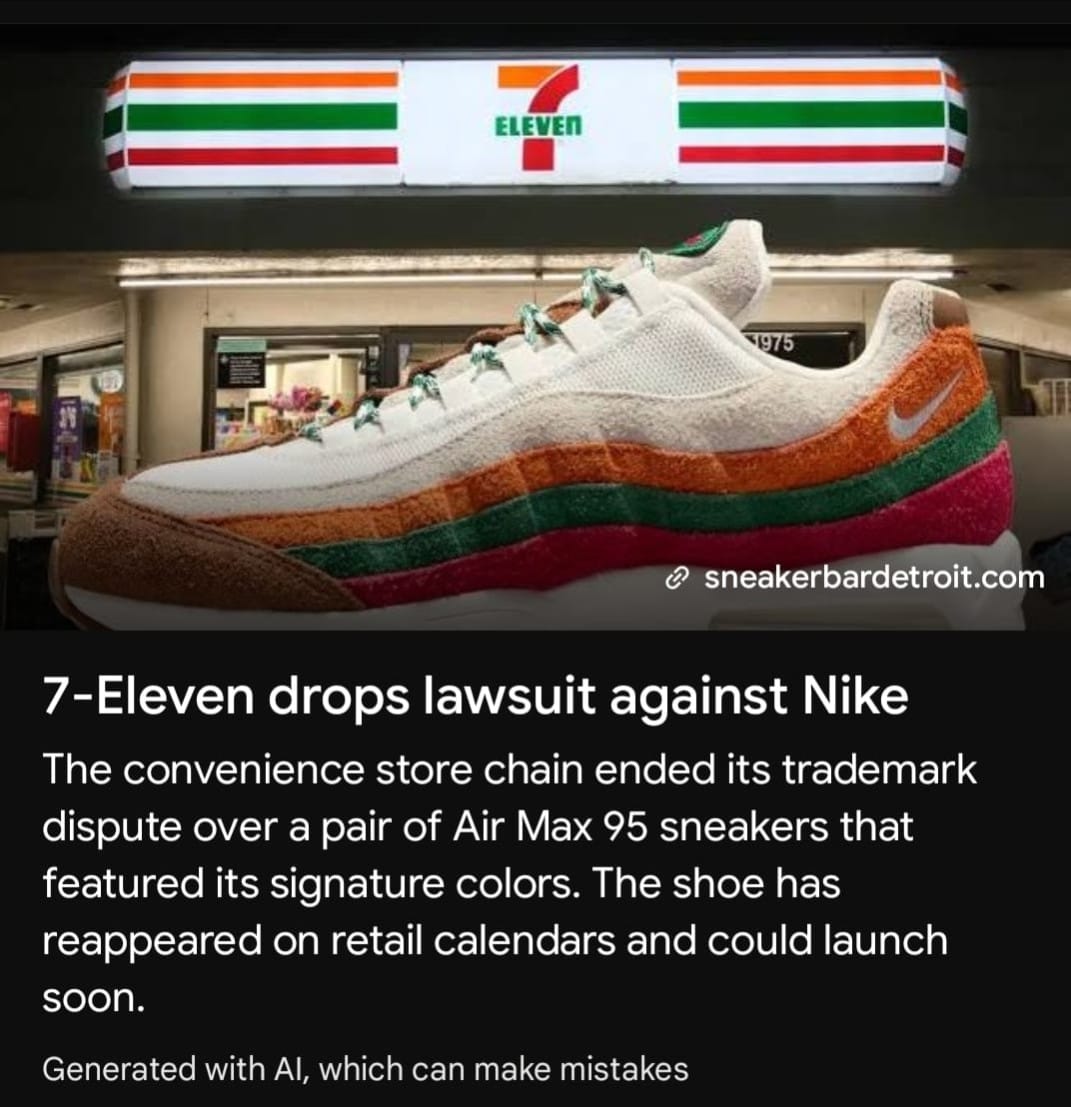
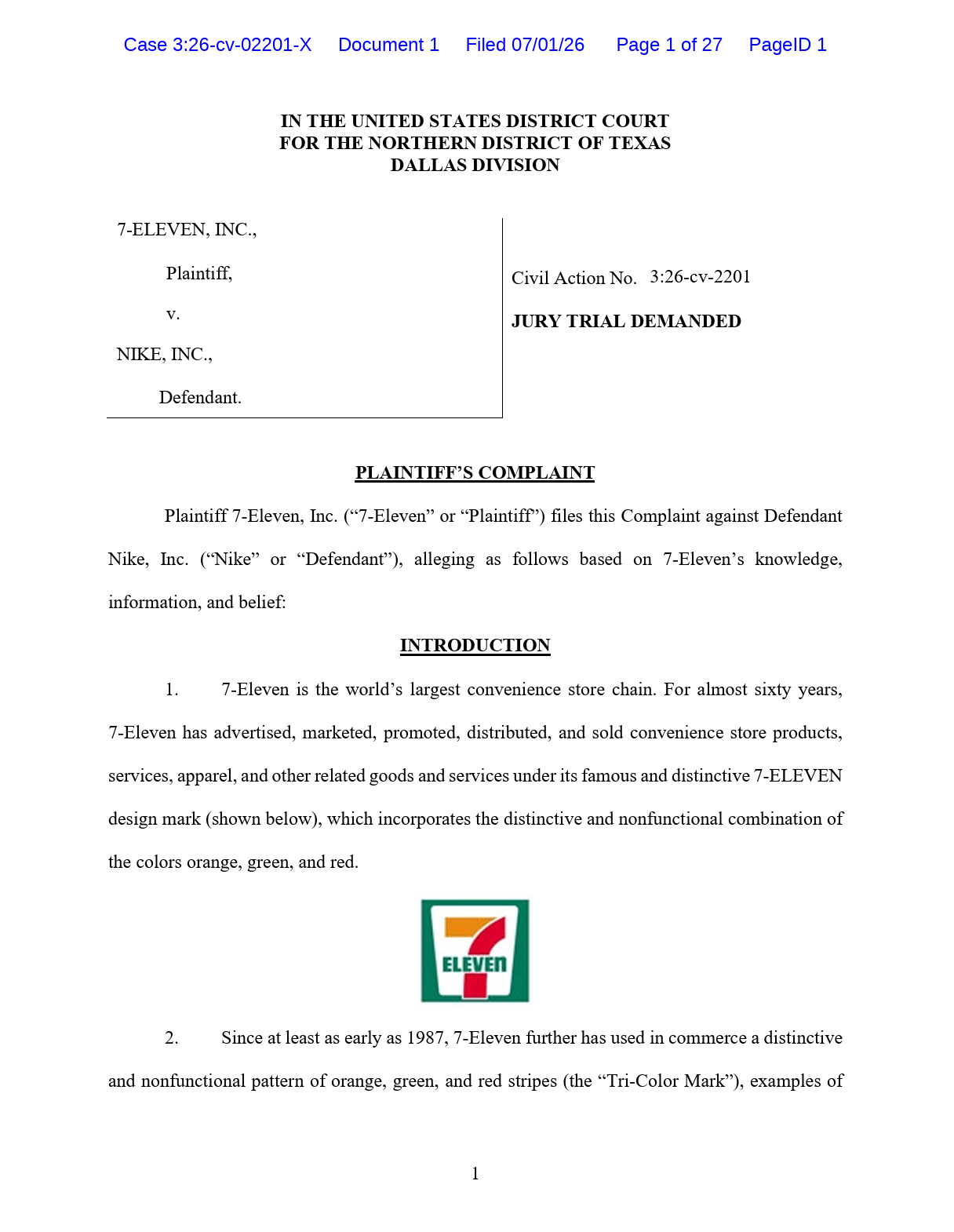
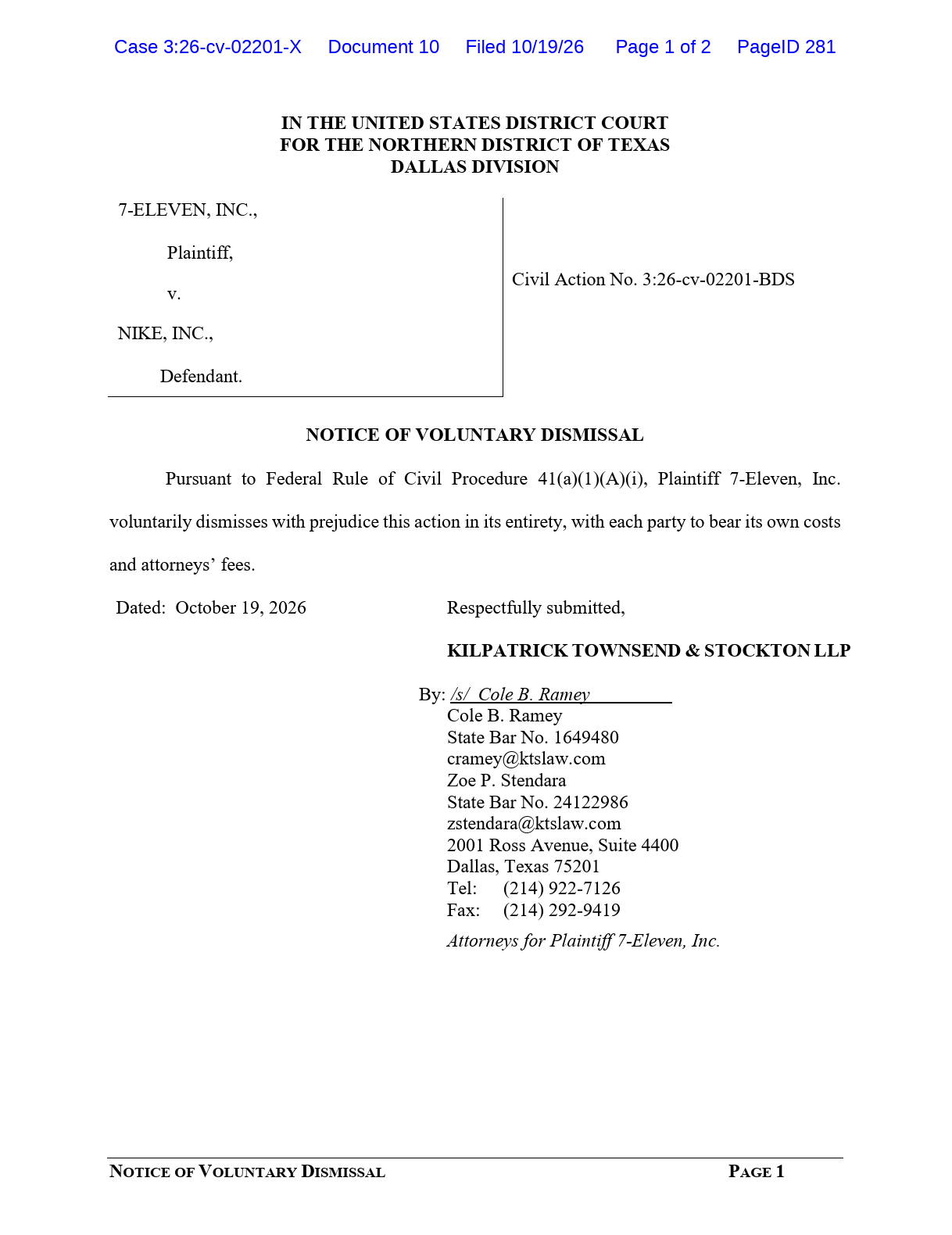
7-Eleven drops lawsuit against Nike The convenience store chain ended its trademark dispute over a pair of Air Max 95 sneakers that featured its signature colors. The shoe has reappeared on retail calendars and could launch soon. According to HYPEBEAST "The convenience chain dismissed the legal action with prejudice following claims the sneaker copied its branding The filing was officially accepted by the court on October 20, 2026 with both NIKE and 7-Eleven ordered to pay their own attorney costs."
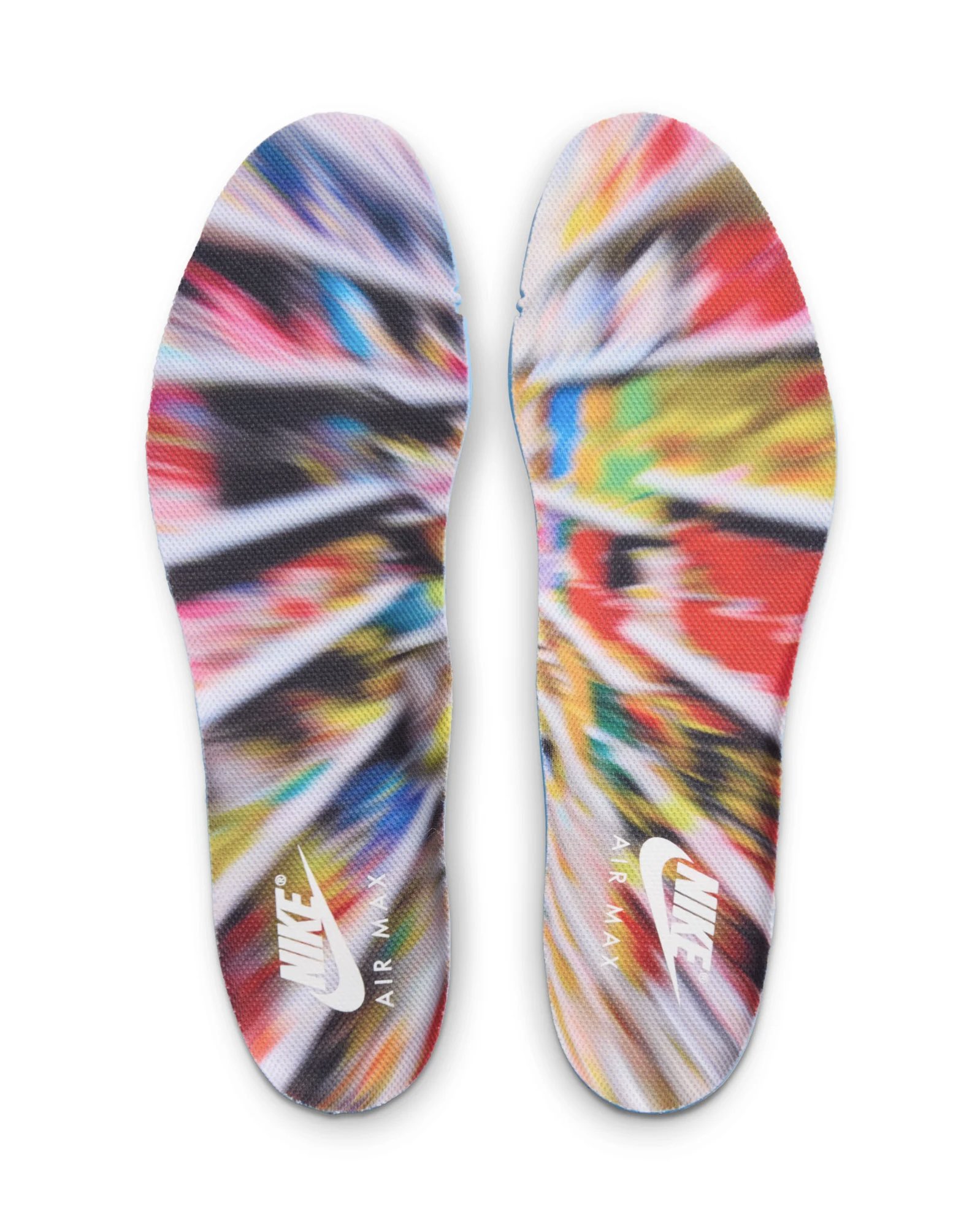
Nike Air Max 95 OG 'Big Bubble - 7-Eleven' brings 7-Eleven’s instantly recognizable palette to the sneaker: ivory, orange, green, and red across the rippling suede side panels, with contrasting brown at the toe and heel. Embossed Nike Air branding, an embroidered Air Max tongue patch, and the original “Big Bubble” Max Air heel unit finish the design.
7-Eleven vs. Nike: The branding and marketing controversy
The central branding question was whether Nike attempted to capitalize on 7-Eleven’s established brand recognition without permission or a licensing agreement. In its federal complaint filed July 1, 2026, 7-Eleven alleged that Nike associated the Air Max 95 with two particularly recognizable brand assets:
- Trade dress and color identity: the orange, green, and red striping that 7-Eleven says it has used since at least 1987.
- Promotional timing: the planned July 11 release date — 7/11 — the same date associated with 7-Eleven’s annual Free Slurpee Day promotion.
From a branding standpoint, those elements matter because consumers do not need to see a formal logo to make an association. Color, timing, context, and repeated visual cues can do much of that work on their own. 7-Eleven argued that combining those signals could cause consumers to believe the shoe was an officially authorized collaboration.
The complaint also alleged that Nike intended to benefit commercially from 7-Eleven’s established reputation and customer goodwill. That is important context, but it remains an allegation from the complaint — not a judicial finding.
The additional marketing connection
The marketing story becomes even more interesting when looking at how the shoe was presented and discussed publicly. Nike’s SNKRS description reportedly referenced visiting a corner store for a quick snack, while sneaker publications and retailers were already identifying the footwear as the “7-Eleven” Air Max 95 even though Nike had not formally announced a collaboration.
From a marketing perspective, that can create three advantages without an official partnership ever being announced:
- Brand association: consumers immediately recognize 7-Eleven’s visual identity.
- Implied collaboration: the design can suggest a connection with 7-Eleven without formally claiming one.
- Earned publicity: sneaker publications, retailers, resale listings, and social discussion can spread the association without Nike having to use the 7-Eleven name officially.
The publicity gained another layer when pairs reached resale platforms during the dispute and were reported at prices exceeding twice the original retail price. That makes the controversy useful as a marketing case study, but there is no established evidence that Nike deliberately engineered the lawsuit or that either company coordinated the controversy as a publicity stunt.
The publicity strategy
Here’s how one might characterize a theory from a marketing perspective
| Development | Potential marketing benefit |
|---|---|
| Nike previews the shoes | Generates curiosity and product awareness. |
| 7-Eleven files suit | Amplifies both brand names through news coverage. |
| Consumers debate the dispute | Encourages social discussion and brand recognition. |
| Shoes become harder to obtain | Can increase collector interest and resale demand. |
| 7-Eleven dismisses the suit | Creates another news cycle, with renewed attention on the shoes. |
There is no established evidence that the companies coordinated the dispute, that Nike intentionally provoked litigation, or that either company experienced increased store traffic or sales because of the lawsuit. There was also no court-imposed fine or damages judgment disclosed in the material reviewed here; any private payment or settlement terms, if they existed, were not made public.
What makes the theory worth discussing is that 7-Eleven’s complaint said the company contacted Nike before filing suit and that Nike initially indicated it would continue marketing the shoes. From a marketer’s point of view, that makes the question of calculated risk more interesting — but it still does not establish Nike’s internal intent.
The larger lesson is that legal controversy can generate substantial earned publicity for both the complaining brand and the accused brand, even when neither publicly presents the dispute as a campaign. That makes this a useful case study in publicity, brand equity, consumer perception, and the commercial value of controversy.
7-Eleven coffee covers all of the bases, with “7REWARDS”, let you BUY 6 CUPS, GET THE 7TH FREE. This could mean a free Latte, Espresso, Cappuccino, Macchiato, Mocha, or an Americano. Reward programs aim to generate loyal customers aka, repeat business, but what about the old-fashioned customer service, where small talk and common-courtesy (timely responses, mindful tones, etiquette, and netiquette) was valued, practiced, measured, and used.
One bad customer experience can be recorded in the subconscious not as a list of facts, but rather a strong, emotion-driven memory. Promoted by the negativity bias and the peak-end rule, a mental shortcut to simplify memories. Because an intensely emotional moment and final impression is the most vivid, the brain heavily measures these specific data points when forming a lasting impression. For this reason, I say that every customer visit or interaction (POS) with your brand is an audit or an audition.
Really successful businesses are consistent, courteous, helpful, well-stocked, and forward-thinking. Like “Over 3000 Ways to Coffee Make it your own. Coffee beans, espresso beans, cold brew, creamers, milks, syrups, toppings—oh my! Create your own concoction. Or recreate one of our coffee recipes.” – 7-Eleven.com
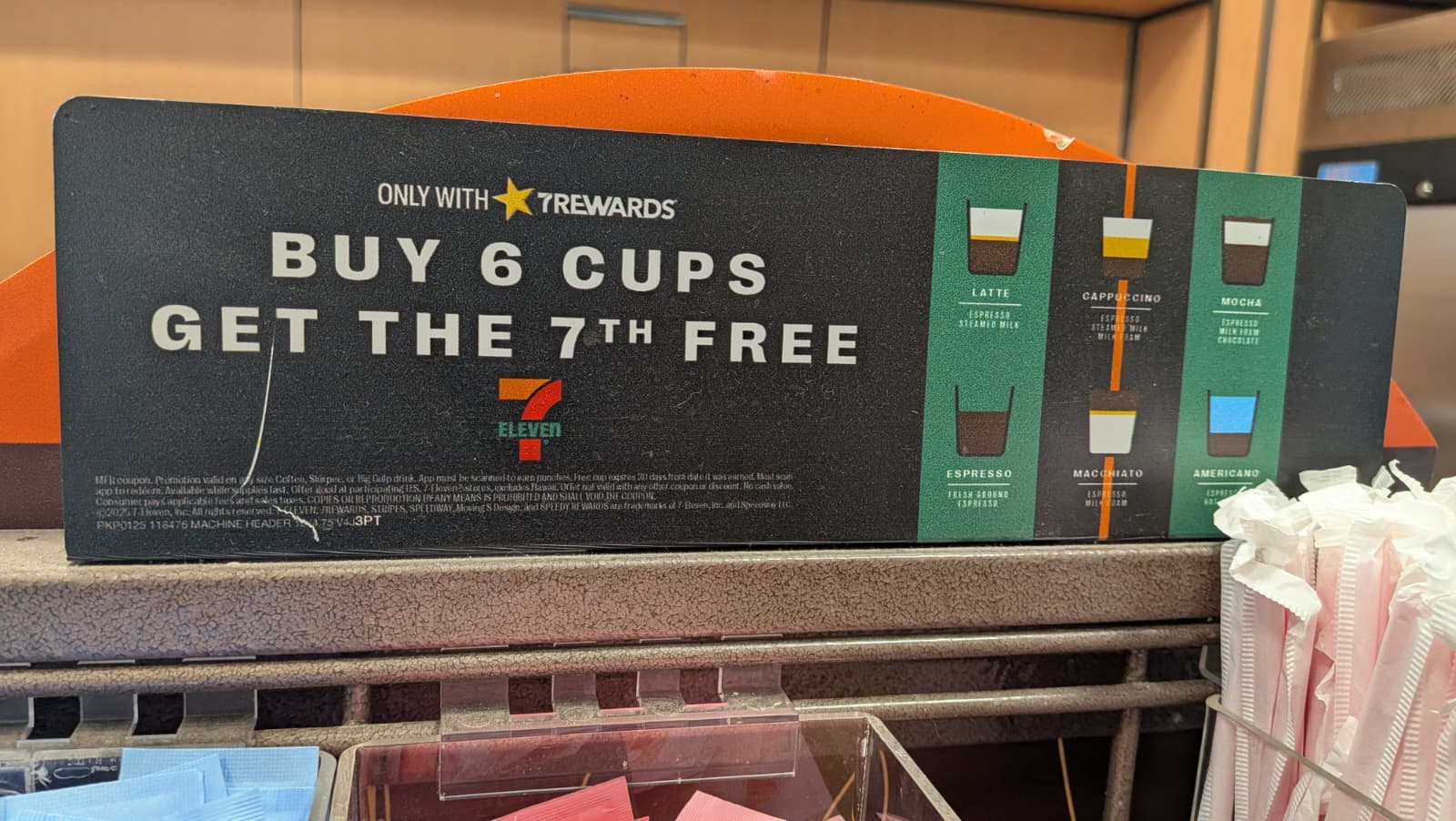
From being the pioneer of selling coffee in portable, to-go cups, highlighting their long history in commuter culture compared to modern services like 7NOW and the use of Cup Insulation Technology – Double-wall paper cups use two layers of paperboard with an air gap between them keeps beverages hotter for longer.
This air pocket acts as an insulator, slowing heat transfer from the hot beverage to your hand, providing a comfortable grip without needing a separate cardboard sleeve like the Starbucks sleeves, which can easily slip off, break, or get misplaced.
Finally, we say "Oh thank heaven for 7-Eleven" – The famous slogan comes from an advertising campaign created in 1967 by Daniel Patrick McCurdy Sr., the radio creative director for the company's in-house agency in Dallas, Texas.